Juju Dhau: The 500-Year-Old King Curd You Can Only Buy in Bhaktapur
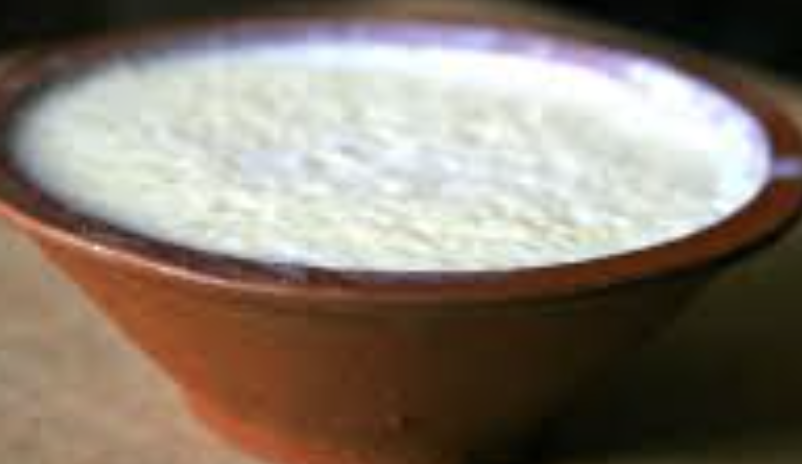
There is a curd made in Bhaktapur — a medieval city 13 kilometres east of Kathmandu — that has been sold in the same clay pots, from the same families, for more than 500 years. It is called Juju Dhau. In Newari, the ancient language of the Kathmandu Valley, juju means king and dhau means curd. King of Curds. Not a boast — a description that anyone who has eaten it would agree is accurate.
You can buy yogurt anywhere. You cannot buy Juju Dhau anywhere except Bhaktapur. Attempts to make it in Kathmandu, in other cities, abroad — they produce something good. They do not produce Juju Dhau. This is not mysticism. It is food science, and it is deeply tied to a specific place.
Bhaktapur: A City That Kept Its Food Alive
Bhaktapur is one of the best-preserved medieval cities in Asia. A UNESCO World Heritage Site since 1979, its Durbar Square is ringed by temples that have stood since the Malla dynasty — the same era in which Juju Dhau became a royal food. The city's narrow brick lanes, wood-carved windows, and courtyard culture have remained largely intact while the rest of the valley modernised.
This preservation is not incidental to the food. The communities who have made Juju Dhau for centuries — primarily the Khauma and Taulahiti areas of Bhaktapur — still operate from the same courtyards, using techniques passed down within families. The Joshi and Kayastha communities of Bhaktapur have been the traditional curd-makers, and many still are today.
The curd is sold in small unglazed clay pots, sealed with a leaf or paper cover. It is eaten cold, directly from the pot, with a spoon. No toppings, no sweetener added at the table — the sweetness is already there, from the buffalo milk and the fermentation chemistry.
The Food Science: Why It Cannot Be Replicated
The reason Juju Dhau defies replication is not a single factor — it is an intersection of five specific conditions, all present only in Bhaktapur. Remove any one of them and the result is different.
1. Buffalo milk — specifically the Murrah breed
Juju Dhau is made from the milk of water buffalo — specifically the Murrah breed raised in the Bhaktapur valley. Buffalo milk is chemically different from cow milk in ways that matter enormously for curd:
- Fat content: 7–9% versus 3.5% in cow milk. Higher fat means richer, creamier texture.
- Casein proteins: 10–12% versus 3.2% in cow milk. More casein = firmer set, longer shelf life, denser texture.
- Calcium phosphate: ~50% higher than cow milk. This accelerates and strengthens the protein network during fermentation, producing the characteristic thick-yet-smooth set.
- Buffalo milk is naturally white (no beta-carotene that gives cow milk its yellow tinge). The ivory-white colour of Juju Dhau comes from the milk itself.
2. The clay pot — unglazed, locally fired
The mati ko bhada (clay pot) is not just a vessel — it is an active part of the fermentation. Bhaktapur's potters fire their clay at specific temperatures using methods unchanged for generations. The resulting pots are:
- Porous: allow slow evaporation of surface moisture, slightly concentrating the curd as it sets
- Mineral-bearing: the specific mineral composition of Bhaktapur clay (calcium, iron, silica) leaches subtly into the curd during setting
- Temperature-regulating: clay has low thermal conductivity — the curd inside a clay pot cools more slowly and evenly than in glass or steel, producing a smoother protein network
- Microbially seasoned: over years of use, the clay develops a resident bacterial community — the same starter cultures are effectively embedded in the pot itself
3. The bacterial culture — passed down, not bought
Juju Dhau is a set curd — the culture is added to warm milk, poured into pots, and left to ferment undisturbed. The cultures used by Bhaktapur's curd-makers are not commercial starter packets. They are maintained by continuously reserving a small amount of each batch to start the next — a living culture that has evolved over generations in that specific environment.
The dominant organisms are strains of Lactobacillus bulgaricus and Streptococcus thermophilus — the same as standard yogurt. But the specific strains, their ratios, and the secondary organisms present (including wild yeasts and other lactobacilli from the Bhaktapur environment) produce a flavour profile that commercial cultures do not replicate. The slight natural sweetness of authentic Juju Dhau — without any added sugar — comes from the specific metabolic byproducts of these strains acting on buffalo milk lactose.
4. Fermentation temperature — Bhaktapur's cool valley air
Bhaktapur sits at 1,400 metres altitude. The valley has a specific diurnal temperature pattern — warm days, cool evenings — that shapes the fermentation curve. Juju Dhau is set in the afternoon and left overnight. The gradual cooling as the temperature drops slows the fermentation at the precise moment when the protein network is forming, producing the characteristic smooth, non-granular texture. Replicate the recipe in a hotter or more variable environment and the curd over-acidifies or sets unevenly.
How Juju Dhau Is Eaten
There is a correct way to eat Juju Dhau and it is important. It is eaten cold, directly from the clay pot, with a small spoon. You eat it plain first — nothing added, no fruit, no honey. The flavour should reveal itself in this order: first the mild lactic tang, then the creamy sweetness of the buffalo fat, then a faint mineral note from the clay, then a long, clean finish.
In a Newari bhoj (feast), Juju Dhau comes last — after the beaten rice, the spiced meats, the pickles, the lentils. It is the signal that the meal is complete, the palate cleanser and the final gift to the guest. To serve a feast without Juju Dhau is like serving a Nepali meal without achar — technically possible, but socially wrong.
At weddings, it is served to the bride and groom first. At festivals, it is offered to the gods before any human eats. For special occasions — a royal feast in the old days, a major ceremony today — the surface of the curd is covered with gold or silver leaf, transforming an already extraordinary food into something ceremonial.
Juju Dhau — Nutrition per 100g (buffalo milk curd)
Estimates based on USDA FoodData Central data for buffalo milk yogurt. Values vary by batch and fermentation time.
Making It at Home (An Honest Attempt)
You cannot make authentic Juju Dhau outside Bhaktapur. The clay pots, the buffalo breed, the specific bacterial cultures, the altitude, the air — none of these can be fully replicated. What you can make is a very good buffalo milk set curd that captures some of the spirit of the original. In Australia, fresh buffalo milk is available from specialty dairies and some farmers markets.
Home Set Curd — Closest to Juju Dhau
For the Diaspora: Juju Dhau and Memory
If you grew up Nepali, you likely remember eating Juju Dhau at a wedding or a festival — served in that small clay pot, eaten with a small spoon, that particular creaminess and mild sweetness that nothing else quite has. For Newari families especially, it is inseparable from the memory of celebration.
Living abroad, you cannot get it. Even the best Nepali restaurants in Sydney or Melbourne do not serve it — because you cannot import a live fermented product in a clay pot. The closest you can do is make the home version above, eat it cold, and let it take you partway back.
What you can do — and what more Nepalis abroad should do — is tell people about it. The world knows Greek yogurt. It knows labneh and crème fraîche and cultured butter. It does not know Juju Dhau, despite it being arguably the finest fermented dairy product in Asia. That is something worth changing.
Ask about the best yogurt substitute for Nepali recipes, how to make set curd at home, the difference between buffalo and cow milk in cooking, or what other Newari foods are worth knowing about.
Ask About Juju Dhau
Ask NepaliFoodGPT about making set curd at home, buffalo milk in Nepali cooking, or any other Newari food tradition.
🍯 Ask NepaliFoodGPTRead Next
 Sirnex Tech