Nepali Chiya: Why It Hits Different to Indian Chai
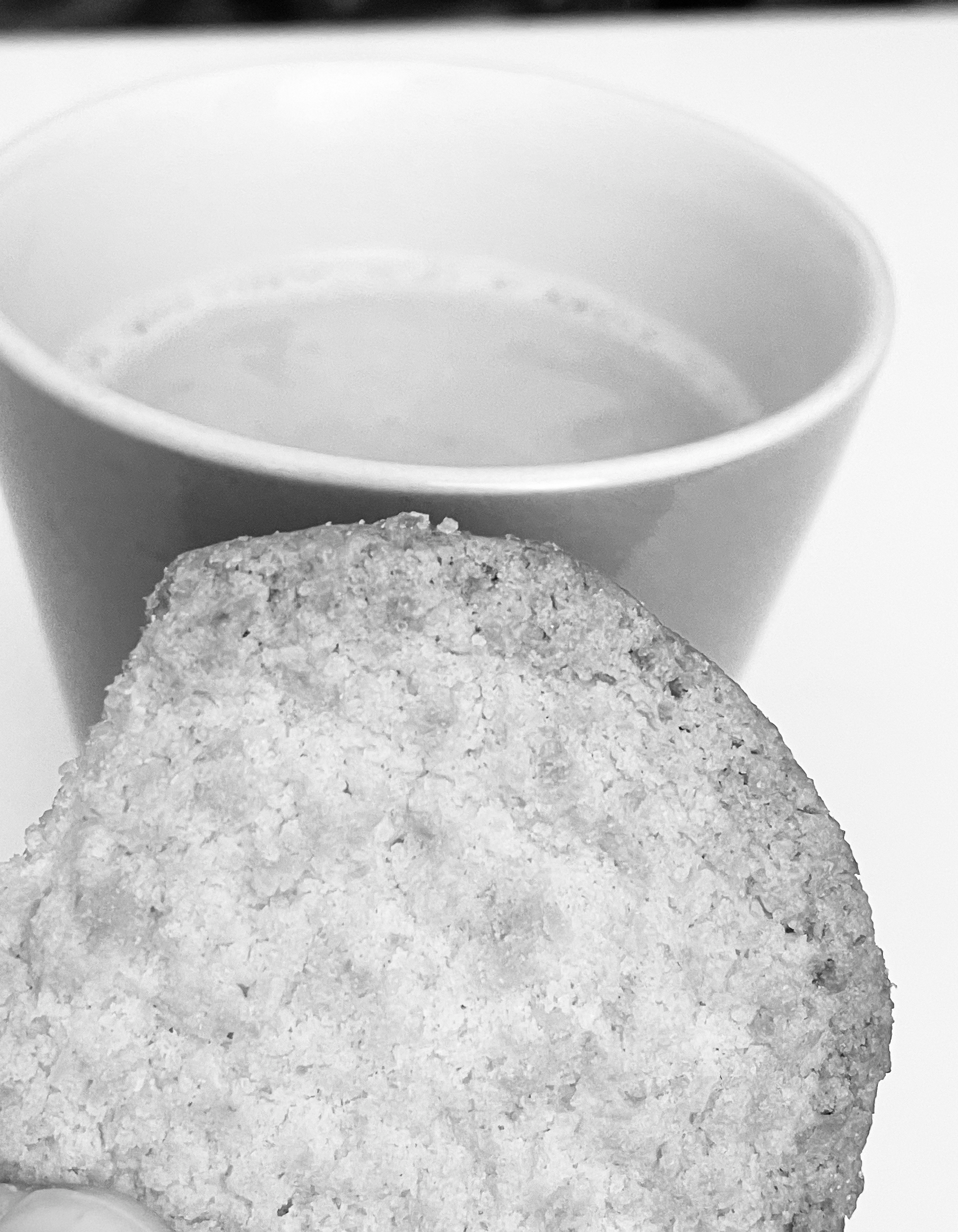
If you've grown up Nepali, you know exactly what this is about. Not the tea itself — you know what chiya tastes like. It's the feeling of it. The cup that appears in your hand the moment you walk through someone's door. The afternoon pause that happens whether or not anyone planned it. The thing your aamaa made that no café has ever come close to replicating.
Outside Nepal, people often call it "chai" and assume it's the same as Indian masala chai. It's not. Nepali chiya (चिया) has its own identity — subtler, often simpler, always made with whole milk, and brewed in a specific way that changes the chemistry of what ends up in the cup.
This post covers the culture, the food science, and the recipe. And yes — why your aamaa's version tastes better than anything you've made yourself.
The Chiya Pasal: Nepal's Most Important Institution
Before the recipe, the context. In Nepal, the chiya pasal — tea stall — is the centre of social life in a way that has no direct Western equivalent. It's not a café. It's a pavement stall, a bench, a clay pot over a gas flame. It's where the morning starts, where politics is argued, where business is done informally, where strangers become acquaintances over a shared cup.
Every neighbourhood has one. Every market has several. Long-distance bus stops are defined by them. The chiya pasal doesn't close early — it closes when the last person leaves, which is late.
At home, the rule is absolute: any guest who enters is offered chiya immediately. Before conversation. Before anything. To not offer chiya is an act of social coldness so severe it would be talked about. To refuse it is only acceptable if you have a medical reason, and even then it requires explanation.
Nepal Grows Its Own Tea — And It's World Class
Most people don't know this: Nepal produces some of the finest tea in the world. The Ilam district in eastern Nepal, nestled in the Himalayan foothills at 1,000–2,000 metres altitude, has been growing tea since the 1860s. Ilam tea is a first-flush, high-altitude orthodox tea — the same growing conditions that make Darjeeling famous (Darjeeling is just across the border).
The altitude, cool temperatures, and misty conditions slow the growth of tea leaves, concentrating their flavour compounds and antioxidants. Ilam tea has a floral, muscatel quality that rivals Darjeeling at a fraction of the export price — mostly because it never got the global marketing that Darjeeling did.
In practice, most everyday Nepali chiya is made with CTC (crush, tear, curl) black tea — the strong, quick-brewing granular form — rather than premium loose leaf. This is not a compromise. CTC produces a stronger, more robust brew that holds up to milk, which is exactly what chiya needs.
Nepali Chiya vs Indian Chai: The Real Differences
Both are milk teas brewed with black tea and spices. But the differences are real — in spice philosophy, milk ratio, sweetness level, and the role each plays in its culture.
The key distinction is restraint. Nepali chiya trusts the tea. The spices are there to lift and warm, not to overwhelm. When you drink a good Nepali chiya, the first thing you notice is the tea — then the warmth of cardamom, then the heat of ginger. In a heavily spiced masala chai, the spice hits first and the tea is secondary.
The Food Science: What's Actually Happening in the Pot
Nepali chiya is a surprisingly complex chemical system. Here's what's happening when you make it correctly — and why technique matters more than most people realise.
Why milk changes the tea
Black tea contains tannins — astringent polyphenol compounds that give tea its dryness and bite. When you add milk, the casein proteins in milk bind to these tannins, softening the astringency and producing a rounder, creamier flavour. This is the primary reason chiya tastes so different from black tea with milk added after — the order and timing of adding milk genuinely affects the outcome.
Brewing the tea in milk (or adding milk early and simmering together) produces more casein-tannin binding than simply pouring cold milk into brewed tea. The result is a smoother, less bitter cup. This is why chiya brewed in a pot with milk from the start tastes softer than tea + milk stirred together in a cup.
The spice compounds and what they do
L-theanine + caffeine: why chiya feels different to coffee
Black tea contains 40–70mg caffeine per cup (versus ~95mg in coffee) but also contains L-theanine — an amino acid unique to tea that promotes calm alertness without the jitteriness of caffeine alone. L-theanine and caffeine work synergistically: the caffeine provides the alertness, L-theanine smooths the edge off it.
This is why a cup of chiya feels different from a coffee — both provide alertness, but chiya tends to produce a cleaner, steadier focus. Nepalis have been using this pharmacology intuitively for centuries.
Nepali Masala Chiya — Nutrition (1 cup, ~250ml, 2 tsp sugar)
Estimates based on USDA FoodData Central data for whole milk black tea. Values vary with milk-to-water ratio and sugar added. About our methodology →
Why Your Aamaa's Chiya Tastes Better
This is not nostalgia. There are real reasons:
- She uses full-fat milk without thinking about it. Whole milk has more casein and fat, which binds tannins more effectively and carries the spice aromatics better. Low-fat milk produces a thinner, more bitter result.
- She doesn't measure. She knows her pot, her flame, her tea. The ratio is calibrated to her specific setup over years. You're following a recipe; she's running a process.
- She watches it. Chiya needs attention at the simmer. The moment it starts to rise in the pot, it needs to come off or the milk scalds and the tea turns bitter.
- Her cardamom is fresher. Most diaspora households use pre-ground cardamom that's been in a jar for two years. Cardamom loses its aromatic compounds quickly once ground. She crushes pods fresh.
- She uses the right teacup. A thin glass or clay cup (kulhar) changes the experience of drinking it — the heat retention, the feel in your hands, even the way the aroma reaches you. Ceramic mugs absorb heat differently.
The Classic Recipe: Nepali Masala Chiya
Nepali Masala Chiya — serves 2
Variations: The Chiya Family
- Ilaichi chiya — cardamom only, no ginger. The simplest and most common daily version. Clean, floral, gentle.
- Adhuwa chiya (ginger tea) — heavy on ginger, often with honey instead of sugar. The Nepali remedy for colds, sore throats, and cold mornings.
- Kalo chiya (black tea) — no milk, brewed strong with lemon and honey. Common during fasting periods and in hotter weather.
- Dudh chiya — essentially all milk, very little water. Rich, almost pudding-like. Festival tea, special occasion tea.
- Tibetan butter tea (Suja) — a different species entirely. Pu-erh tea churned with yak butter and salt. Common in high-altitude Nepal (Mustang, Humla). Not sweet, not spiced — savoury and calorie-dense, designed for extreme cold.
Making Chiya Abroad: What to Buy
In Australia, you can find everything you need:
- Tea: Wagh Bakri, Taj Mahal, or any CTC black tea from Indian/Nepali grocery stores (Spice World, Indian grocers in any major city). Avoid the standard supermarket teabag for best results.
- Cardamom: Buy whole green pods, not pre-ground. Crush lightly with the flat of a knife. Harris Farm Markets and Indian grocers carry them.
- Ginger: Fresh root from any supermarket. Freeze it and grate from frozen — this releases more juice.
- Milk: Full-fat whole milk. This is non-negotiable for authentic flavour.
Ask NepaliFoodGPT about masala chiya ratios for your taste, how to make adhuwa chiya for a cold, the difference between Ilam and Darjeeling tea, or how to make Tibetan butter tea at home.
Make the Perfect Chiya
Ask NepaliFoodGPT for your ideal chiya ratio, ginger tea for a cold, or anything else about Nepali tea culture.
☕ Ask NepaliFoodGPT